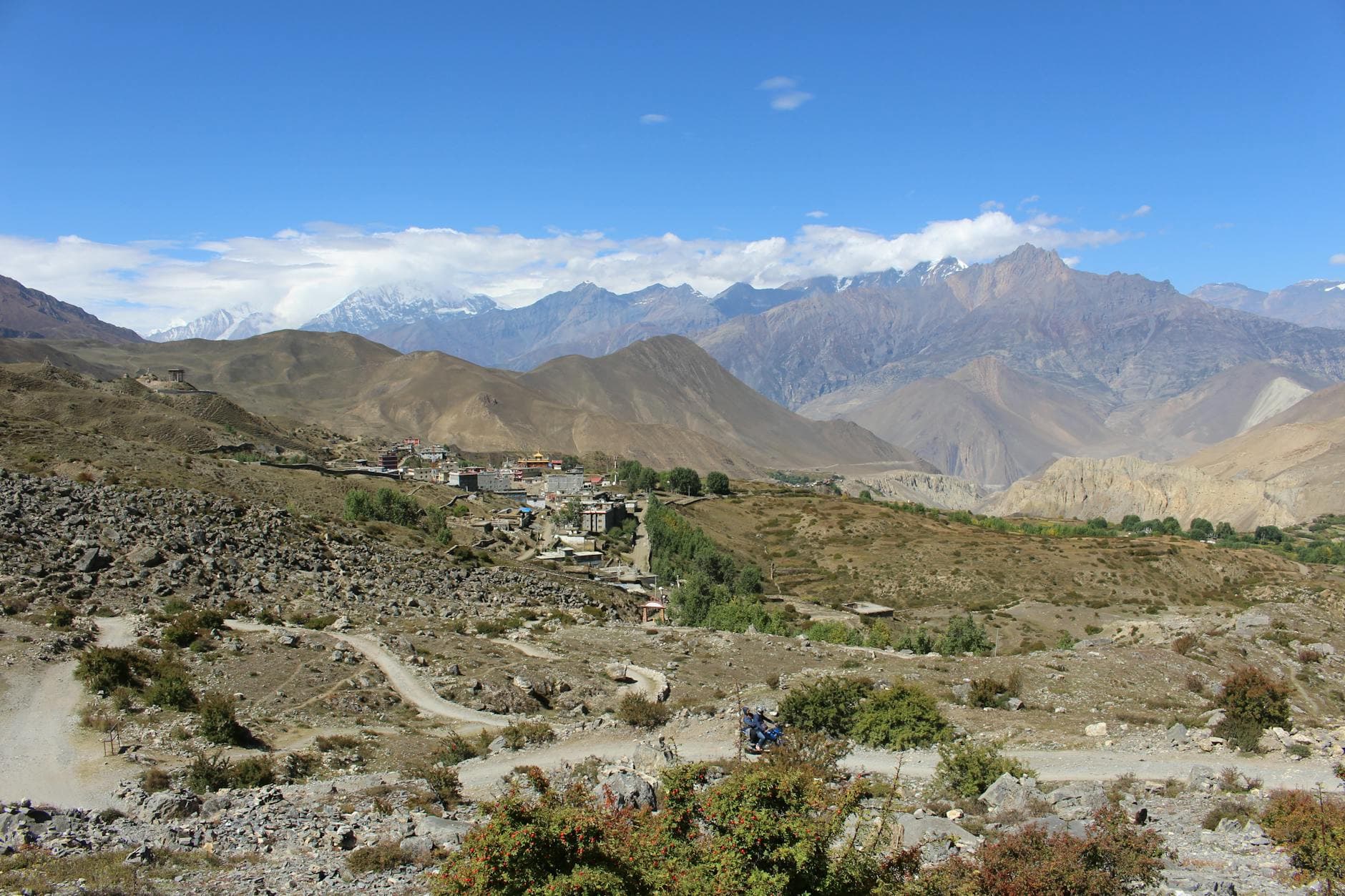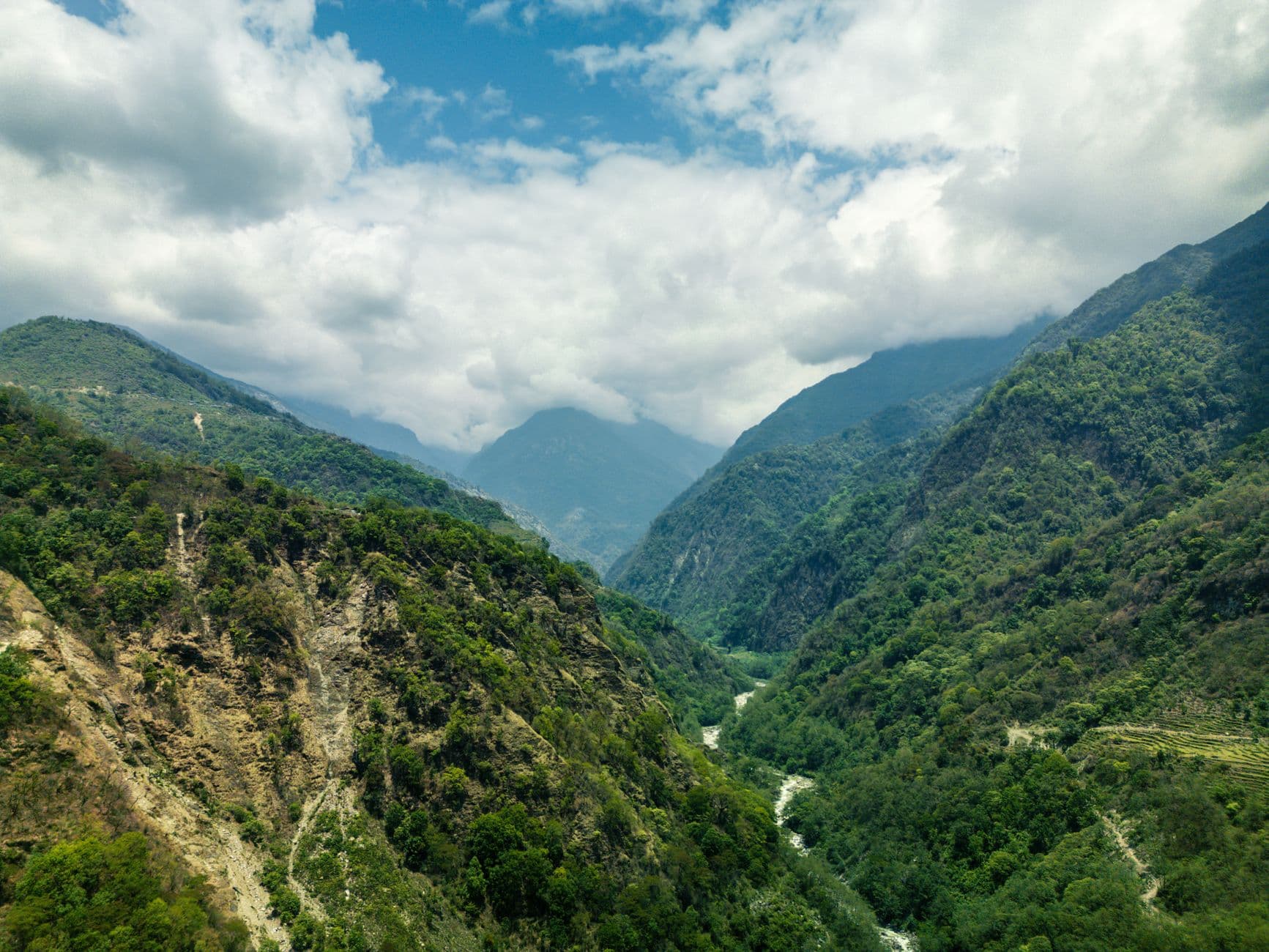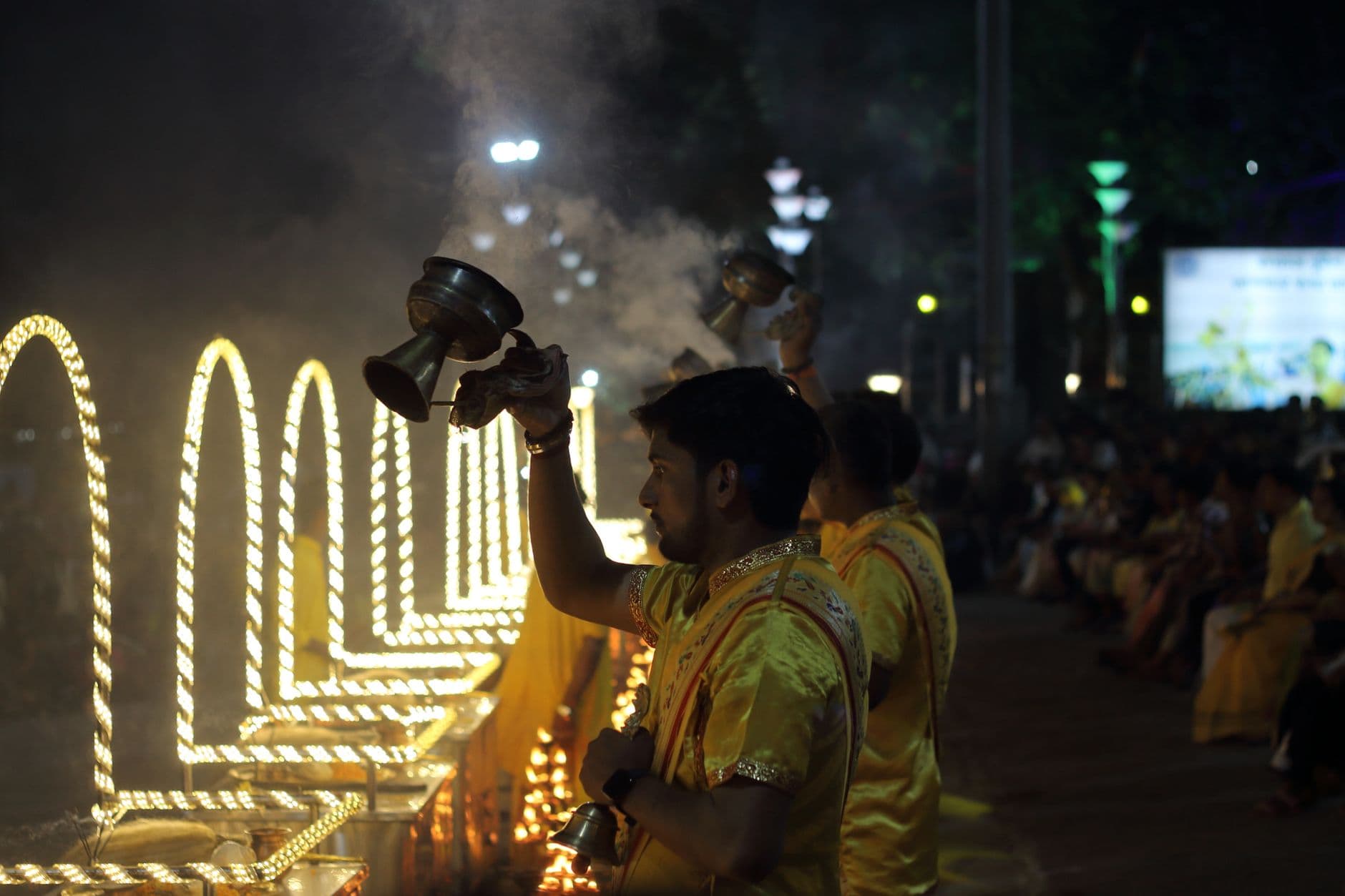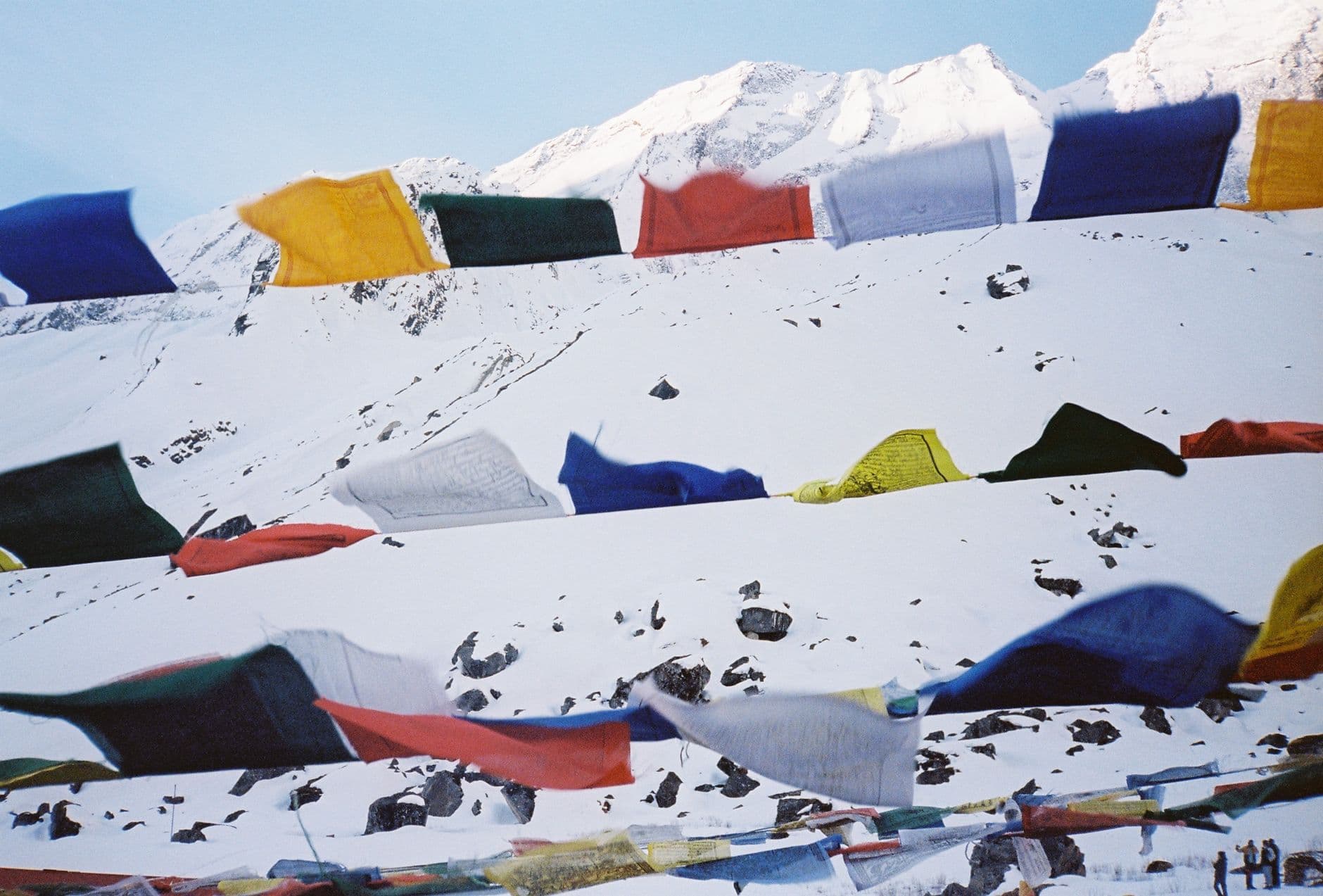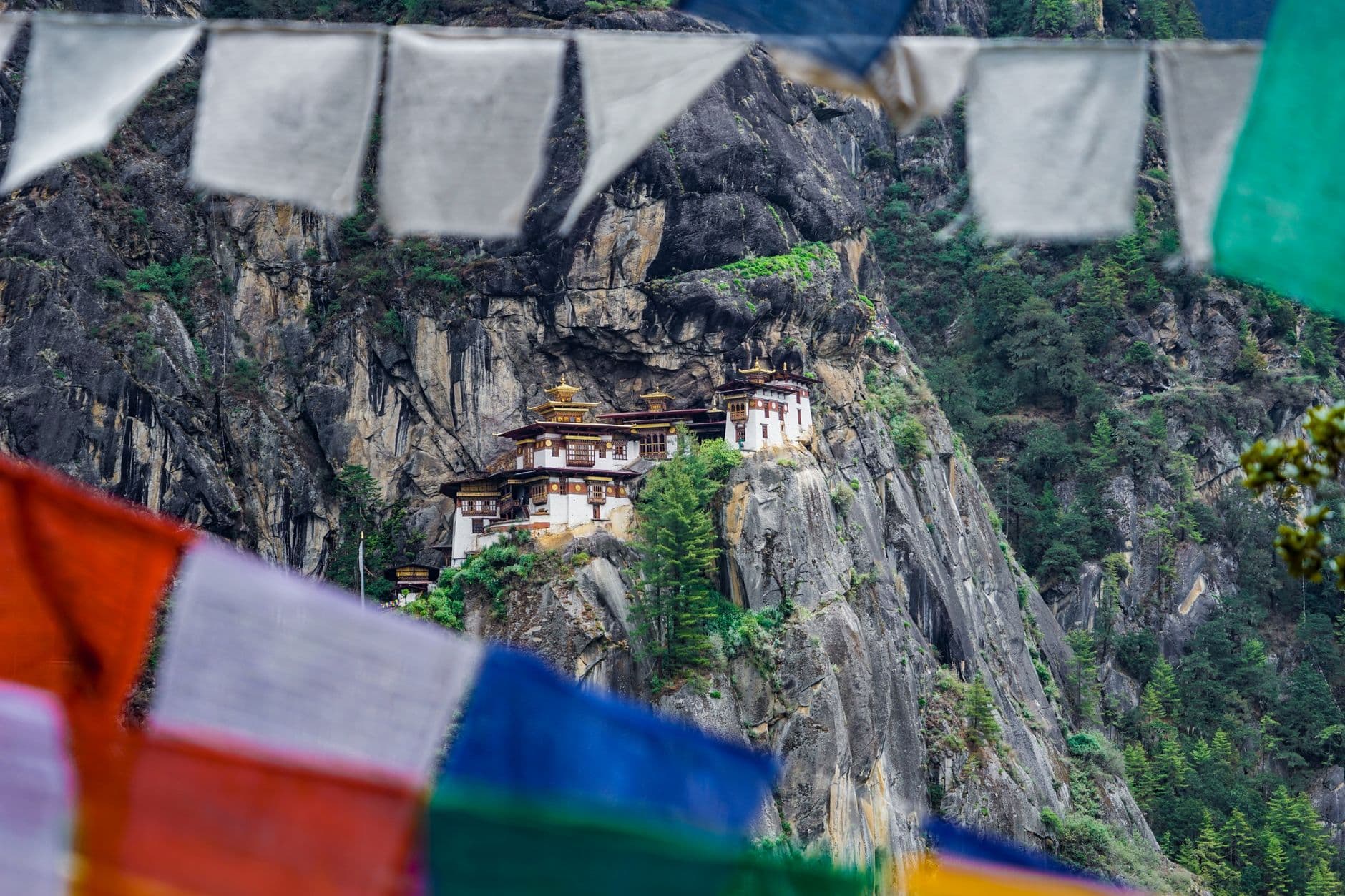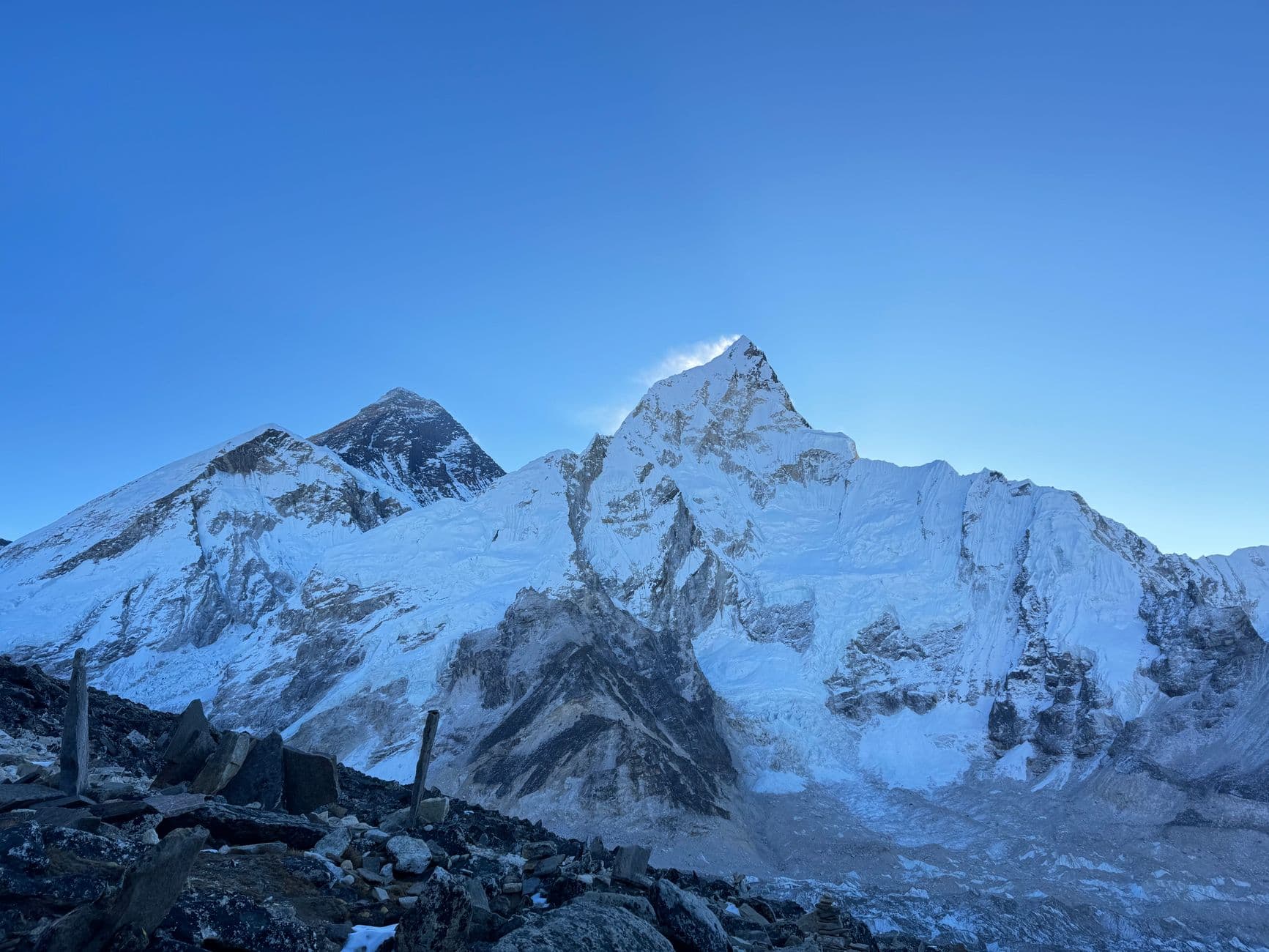
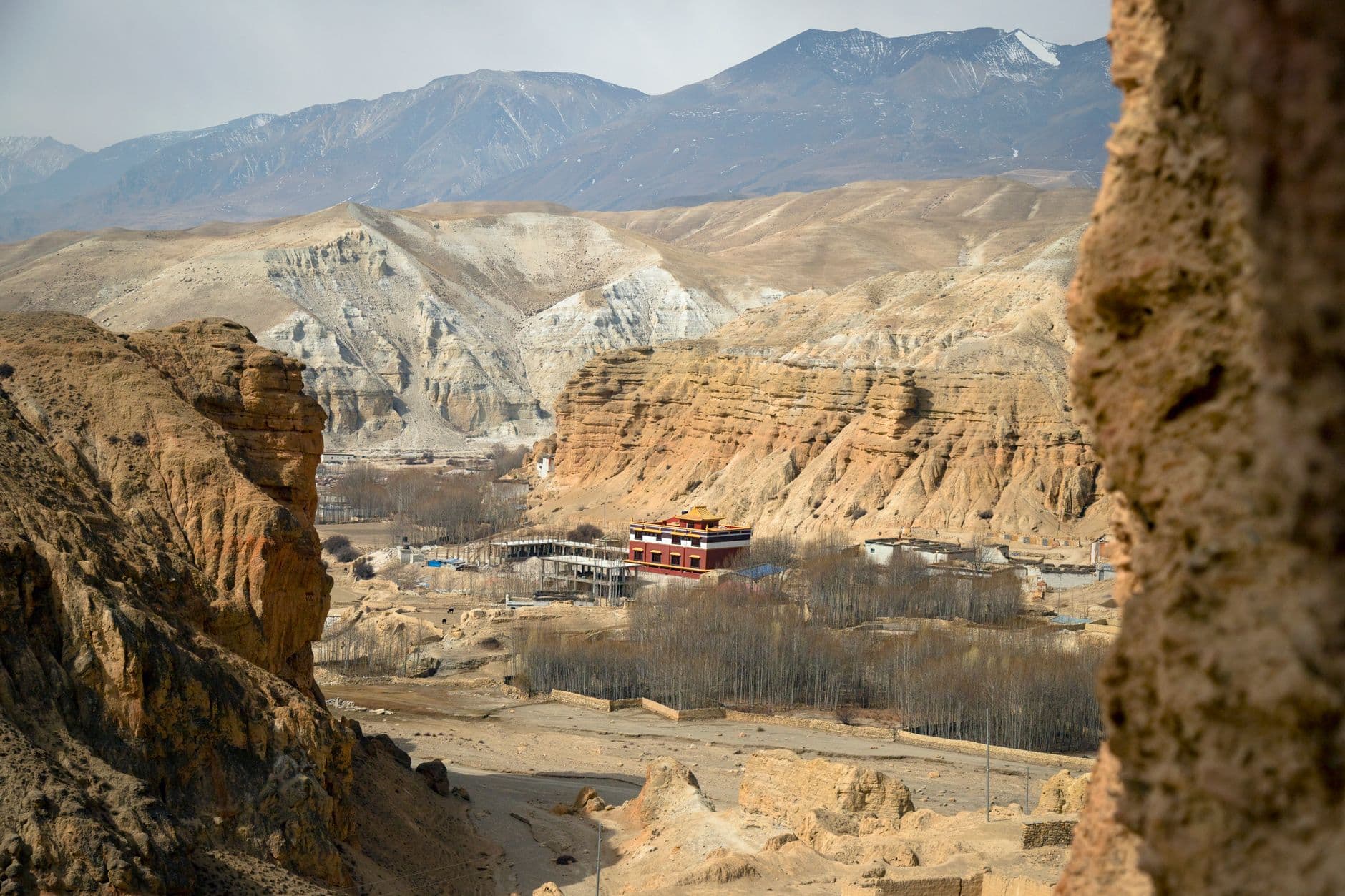
High in the Mustang Himalaya, in a windswept valley below the great Thorong La pass, stands one of the most sacred temples in the Himalayas: Muktinath, the “place of liberation.” For Hindus it is a Divya Desam and one of the holiest of shrines; for Buddhists it is Chumig Gyatsa, “the hundred waters,” a sacred site of the dakinis. Rarely does one place hold such deep meaning for two faiths at once. This is our honest guide to visiting it — the significance, how to get there, and how to do it safely and well.
Why Muktinath is sacred
The temple sits at roughly 3,800 metres and enshrines a self-manifested form of Lord Vishnu (as Sri Muktinath). Pilgrims come here in the belief that a visit brings moksha — liberation from the cycle of rebirth — which is what gives the place its name. What makes Muktinath unmistakable, and unforgettable, are two features found nowhere else.
Around the back of the main temple, 108 stone water spouts, each shaped as a cow’s head, pour ice-cold Himalayan spring water in a semicircle. Devout pilgrims bathe under all 108 in turn, and then in the two sacred kunda pools before the shrine — a purifying ritual performed despite the biting cold, because the merit is held to be immense. Nearby, in the small Jwala Mai temple, a natural eternal flame burns beside flowing water — natural gas seeping from the rock, alight for as long as anyone remembers. Earth, water and fire together in one place: it is easy to see why this valley was considered holy long before any temple was built.
Muktinath is one of the few great pilgrimages that feels remote and hard-won. You do not just step off a bus at a city temple — you travel up into the high Himalaya to reach it, and that journey is part of the offering.
How to reach Muktinath
Muktinath lies in the Mustang district, about 200 km from Pokhara and roughly 400 km from Kathmandu. There are several ways up, and the right one depends on your time, budget and — importantly — your health and age.
- Flight + jeep (the fastest overland route): Fly Pokhara to Jomsom (about 15–20 minutes, a spectacular flight through the world’s deepest gorge between Dhaulagiri and Annapurna), then a jeep up to Ranipauwa and a short walk to the temple. This can be done in a single day from Pokhara.
- Jeep all the way: A 4WD drive from Pokhara (typically two days) or Kathmandu (around three days), overnighting along the way. Longer, but the gradual ascent helps your body adjust and the scenery through the Kali Gandaki valley is extraordinary.
- Helicopter: Direct flights operate from Pokhara (around two hours round trip) and Kathmandu (a longer day). The fastest and most comfortable option, and popular with elderly pilgrims and those short on time — but see the altitude note below, because speed has a cost.
- Trek: The classic route walks in via the Annapurna Circuit and crosses the Thorong La; a serious multi-day undertaking for fit trekkers rather than a typical pilgrimage.
The altitude — please read this honestly
This is the part we will not let anyone skip. Muktinath is at 3,800 metres, and that is high enough to cause altitude sickness in anyone, regardless of fitness or faith. The danger is greatest for those who ascend fastest — which means, counterintuitively, that the comfortable helicopter and quick flight options carry the higher altitude risk, because your body has no time to adjust. Pilgrims who drive or trek up gradually give their bodies a chance to acclimatise and generally fare better.
If you or an elderly relative are going up quickly, keep the visit at the top short, move slowly, stay hydrated, and come back down to sleep lower the same day if possible. Anyone with a serious heart or lung condition should speak with a doctor before going, and should treat a bad headache, breathlessness or dizziness as a signal to descend, not to push on. We build our itineraries to manage this sensibly, and we would always rather adjust a plan than put a pilgrim at risk. This is education, not personal medical advice — please take your own doctor’s guidance first.
Permits and practicalities
Muktinath sits inside the Annapurna Conservation Area, so foreign visitors need the ACAP permit; Indian nationals do not require a visa to enter Nepal, which is one reason this pilgrimage is so beloved by devotees from India. Dress warmly and modestly — the valley is cold and windy even when Pokhara is warm — and bring cash, as high-valley facilities are basic. The temple complex involves stairs and walking on uneven ground at altitude, so sensible shoes matter.
Best time to make the journey
The ideal windows are spring (March–May) and autumn (September–November), when skies are clearest and the mountain flights to Jomsom run most reliably. Note that the Jomsom corridor is famous for strong midday winds, which is exactly why flights and drives are scheduled for the calm of the morning — an early start is not optional here, it is how the valley works. Muktinath can also be visited in winter, when it is strikingly beautiful under snow but bitterly cold and occasionally cut off; the summer monsoon brings cloud and the risk of road disruptions on the drive.
How we can help
Muktinath is a pilgrimage that repays being organised well — the flights are weather-sensitive, the altitude needs managing, and the logistics of jeeps and permits in the high valley are not something you want to improvise. We run it as a dedicated Muktinath tour, and also as part of a combined Pashupatinath & Muktinath circuit that pairs Lord Shiva’s great temple in Kathmandu with Lord Vishnu’s shrine in the mountains — a deeply meaningful pairing for many pilgrims. For those on a longer sacred journey, it also connects naturally with our Char Dham itineraries.
We have been arranging pilgrimages for families since 1996, with particular care for elderly travellers and for doing things the honest, unhurried, respectful way. If Muktinath is calling you, come and talk to us, and we will plan the journey around your family, your time, and your health.