
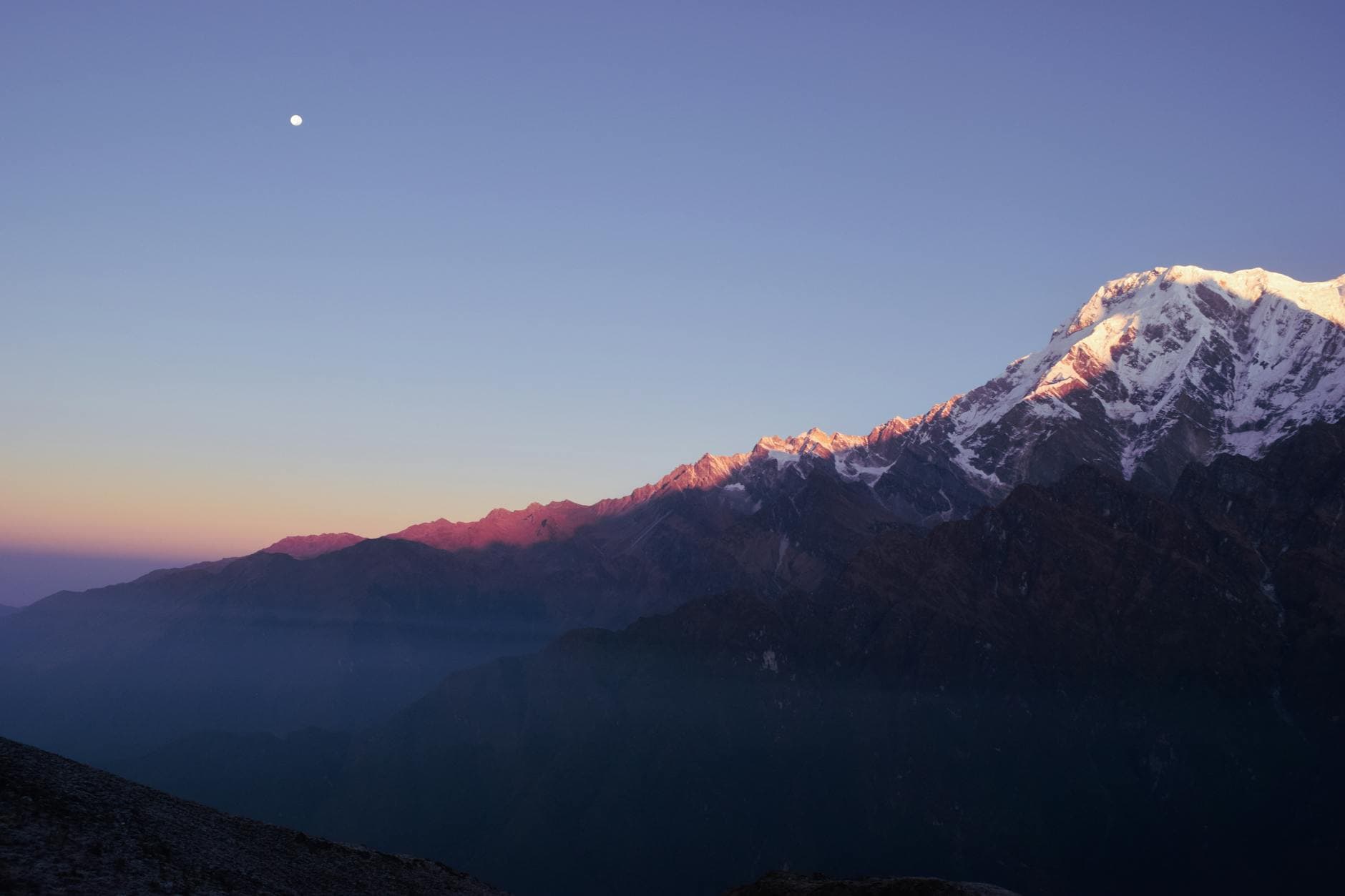
Mardi Himal Trek
A hidden gem above Pokhara — forested ridges and a secluded base camp below Machhapuchare.
Price
Contact us for pricing
Kathmandu-direct pricing — no middleman markup.
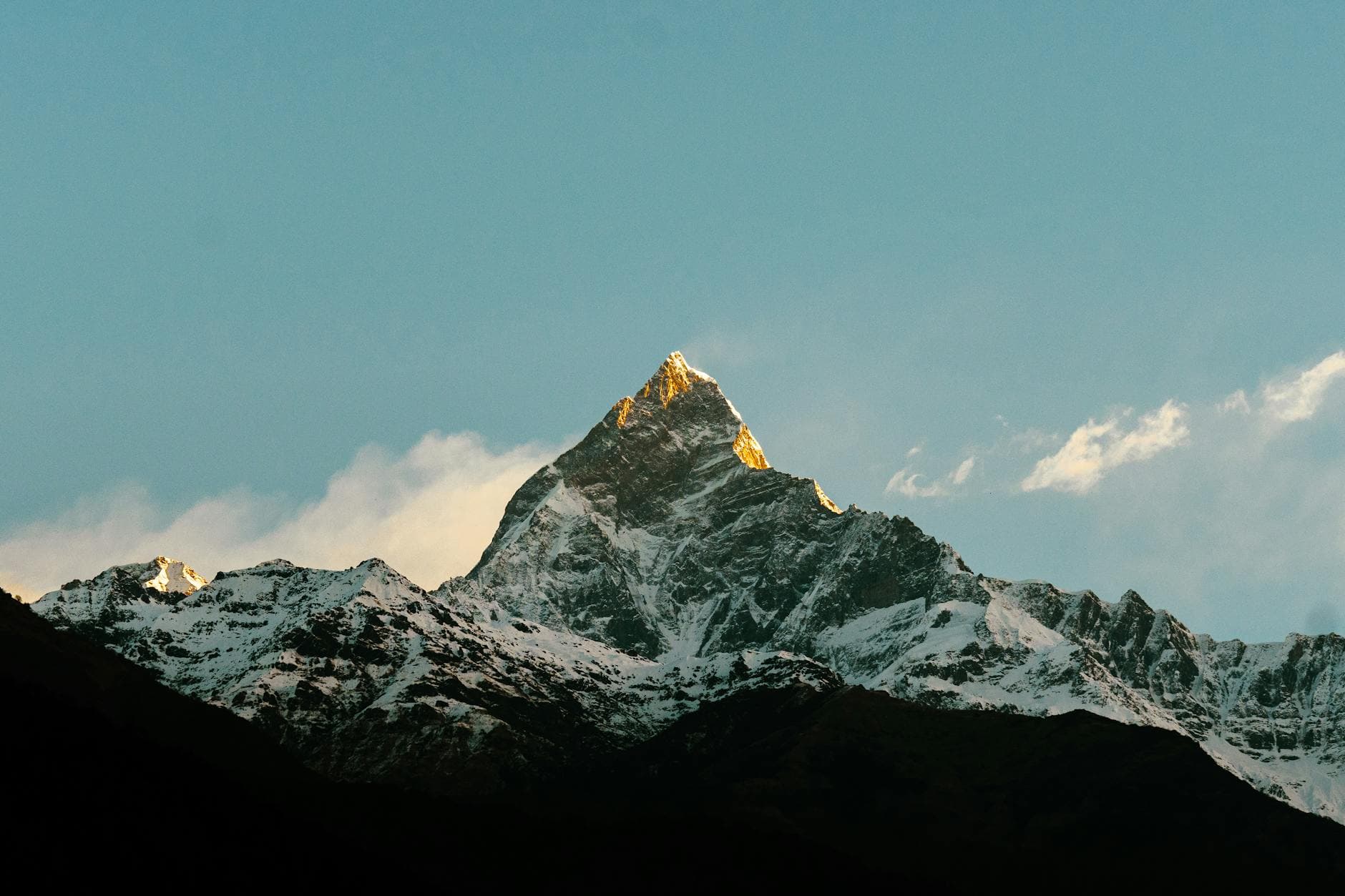
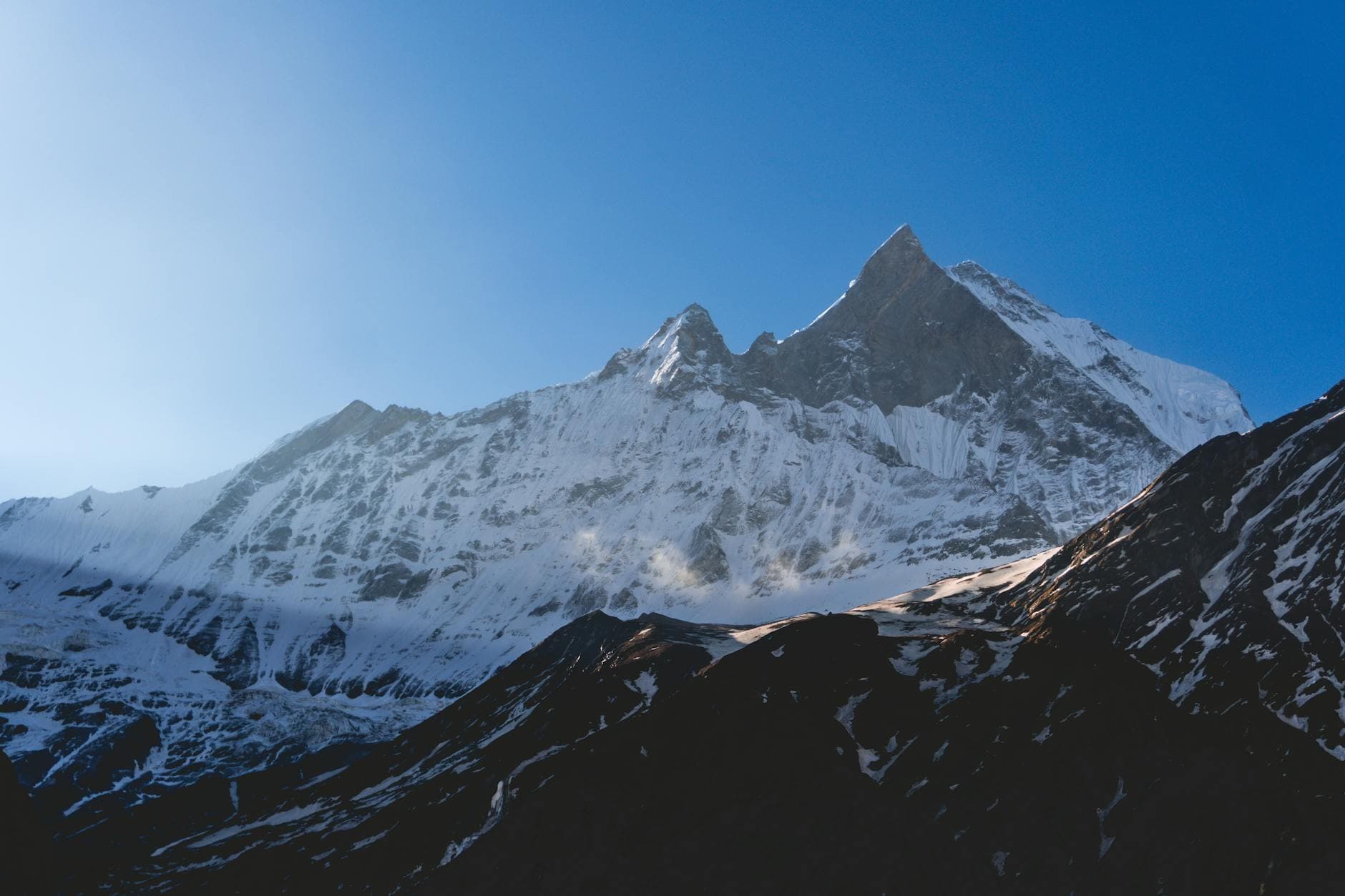
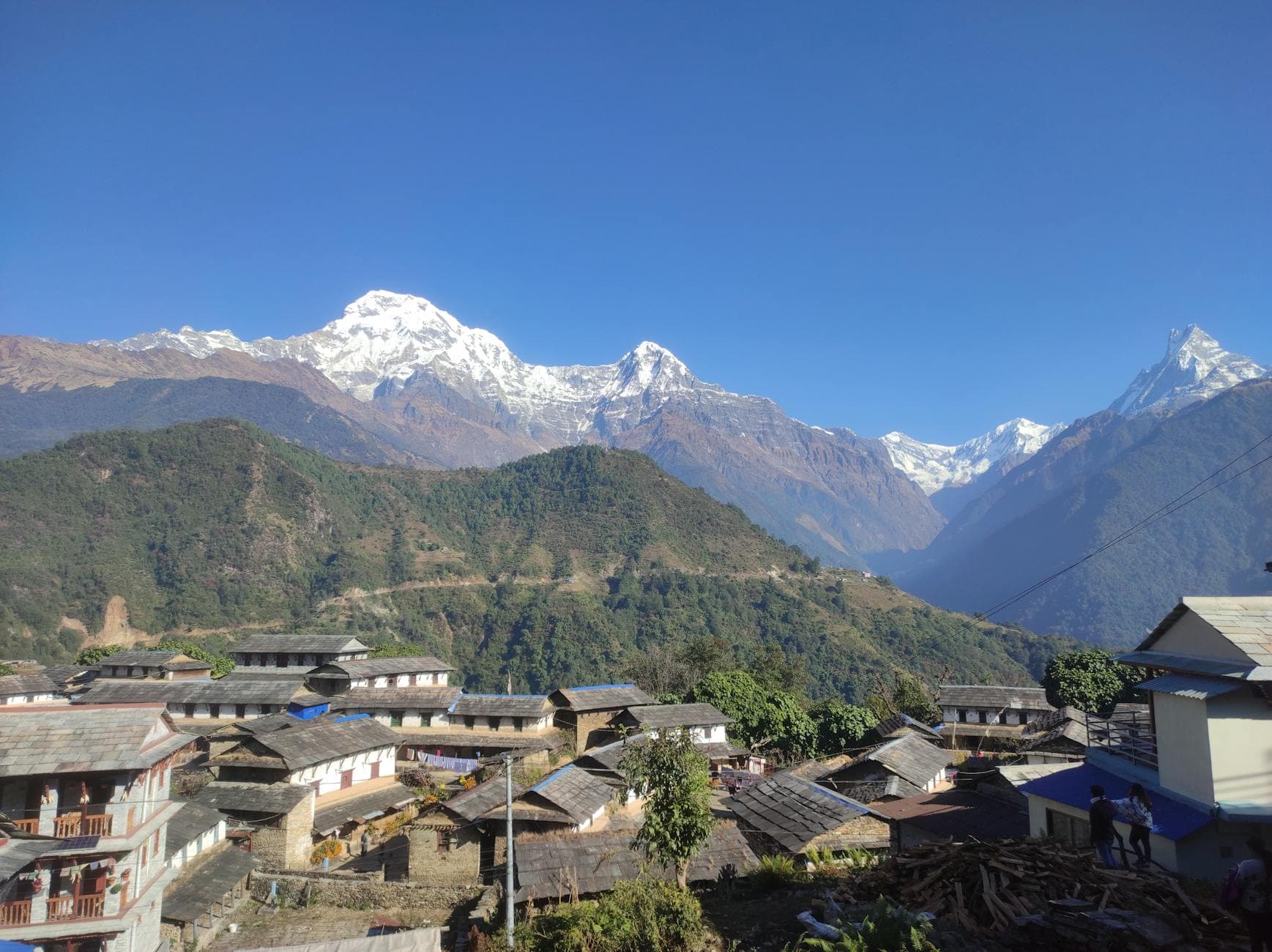
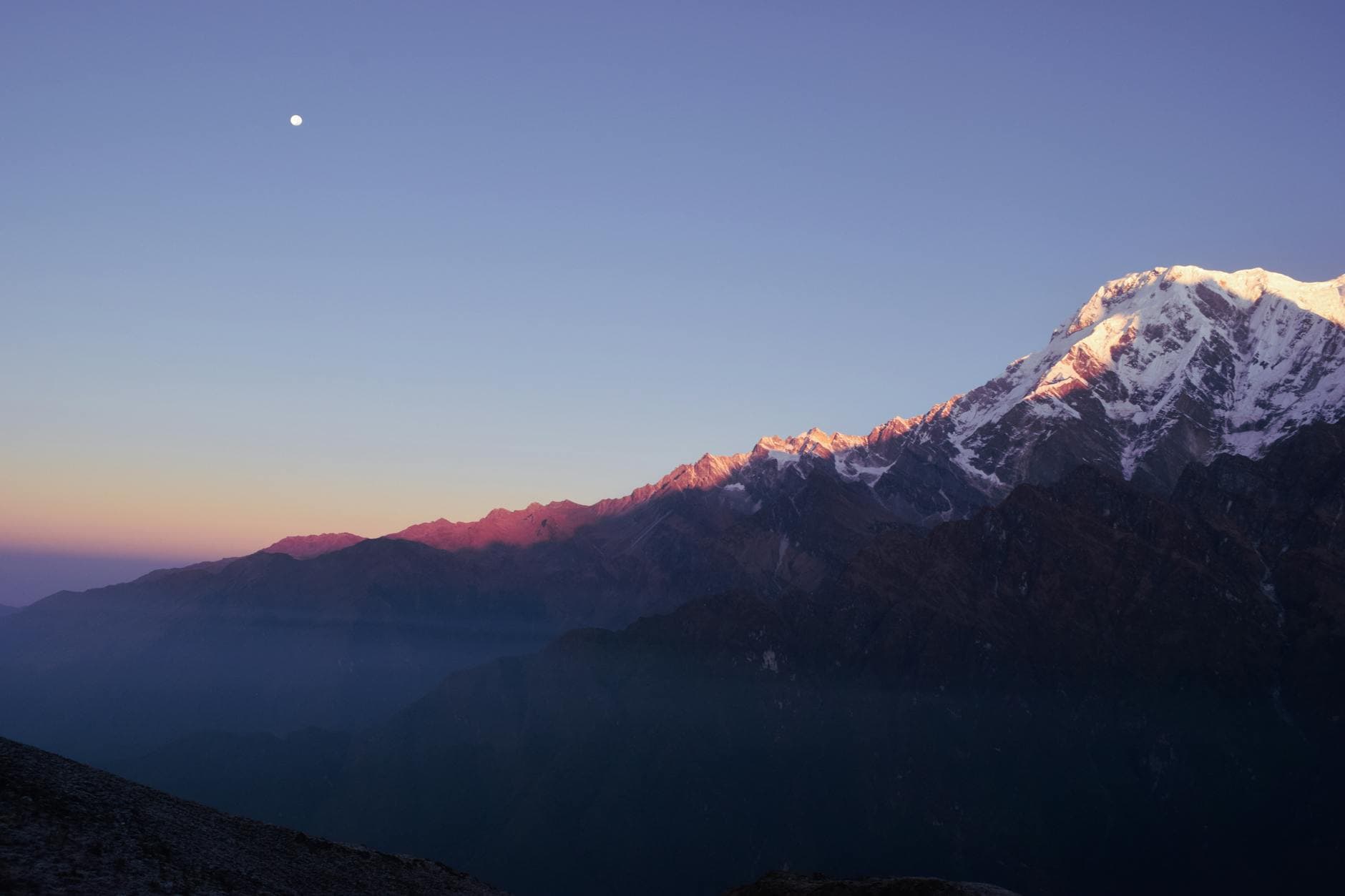
The Mardi Himal Trek is one of Nepal's best-kept secrets: a recently opened trail above Pokhara that threads through dense rhododendron forests, emerges onto open ridges above the clouds, and reaches a wildly beautiful base camp at 4,500 m with the Fishtail (Machhapuchare) dominating the skyline. Shorter and less crowded than the classic Annapurna routes, it rewards with intimacy and scenery that punch well above their altitude.
Group Trips
Upcoming Group Departures
Reserve your spot — no payment upfront
Itinerary
Day-by-Day Itinerary
Arrive Pokhara (822 m)
▲ 822 m
Transfer to lakeside Pokhara and rest — Annapurna and Machhapuchare on the horizon.
Overnight: Pokhara
Drive to Kande (1,770 m); trek to Australian Camp (2,060 m)
▲ 2,060 m
Short drive to Kande, then a forested climb to the Australian Camp ridge — Annapurna South and Machhapuchare suddenly filling the view. 3–4 hrs.
Overnight: Australian Camp
Trek Australian Camp → Forest Camp (2,550 m)
▲ 2,550 m
A ridge walk through magnificent old-growth rhododendron forest, with cloud-draped views south over the Pokhara valley. 4–5 hrs.
Overnight: Forest Camp
Trek Forest Camp → Low Camp (3,035 m)
▲ 3,035 m
The forest thins and the panorama of the Annapurna massif begins to unfold. 4–5 hrs.
Overnight: Low Camp
Trek Low Camp → High Camp (3,590 m)
▲ 3,590 m
Above the treeline into open alpine terrain with sweeping 180-degree views of the Annapurna range. 4–5 hrs.
Overnight: High Camp
Hike to Mardi Himal Base Camp (4,500 m); return to High Camp
▲ 4,500 m
An early morning climb to the base camp below the south face of Mardi Himal — Machhapuchare filling the sky ahead. Return to High Camp for the night. 5–6 hrs round trip.
Overnight: High Camp
Trek High Camp → Siding Village (1,750 m)
▲ 1,750 m
A dramatic descent through changing vegetation zones into the warm lower valley and the traditional Gurung village of Siding. 5–6 hrs.
Overnight: Siding Village
Trek Siding → Lumre (1,400 m); drive to Pokhara (822 m)
▲ 822 m
Short trail to Lumre, then drive back to lakeside Pokhara for a well-earned rest.
Overnight: Pokhara
Departure
Gallery
Moments from the route
Route
Route Map
Route and durations are approximate and can be customised to your schedule.
Included
What's Included
Exclusions
Not Included
Before You Go
Important Notes
- Permits: ACAP (Annapurna Conservation Area Permit) + TIMS — arranged by TempleFront.
- Best seasons: March–May and October–November.
- Altitude: the trail tops out at Mardi Himal Base Camp (4,500 m). The gradual ridge profile aids acclimatisation, but mild altitude symptoms are still possible — ascend steadily, stay hydrated, and tell your guide of any headache or nausea.
- Fitness: you should be in good general health and able to walk 4–6 hours a day on consecutive days over steep forested ridges. No technical climbing or prior trekking experience is required.
- This recently opened trail sees far fewer trekkers than EBC or Annapurna — enjoy peaceful ridgelines and quiet teahouses.
- Comprehensive travel insurance including emergency helicopter evacuation is strongly recommended.
Frequently Asked
Frequently Asked Questions
Is this a private trek?
Yes — every TempleFront trek is guided exclusively for your group. We never combine you with other trekkers.
What is included in the price?
All required permits, a licensed English-speaking guide, porters, teahouse accommodation, and breakfast and dinner throughout. Lunches are on your own account at teahouses en route.
Is Mardi Himal less crowded than other Annapurna treks?
Yes — the Mardi Himal route opened to trekkers relatively recently and remains far quieter than the main Annapurna Circuit or ABC trails. The teahouses are small and the trail atmosphere genuinely remote, despite being close to Pokhara.
How difficult is the Mardi Himal Trek?
Rated Moderate. Daily walking is 4–6 hours on well-marked trails. The highest point is 4,500 m at base camp — mild altitude effects are possible but the approach is gradual. Good general fitness is sufficient; no technical experience is required.
What about altitude sickness?
The trek gradually ascends over 5 days to 4,500 m, minimising altitude risk. Mild symptoms (headache, fatigue) are possible above 3,500 m — stay hydrated and inform your guide of any symptoms. Consult your doctor about altitude medication before travel.
What gear do I need?
Comfortable trekking boots, layers for cold High Camp nights, waterproof outer shell, sunscreen, and a headlamp. A full kit list is provided on booking. The trail is compact enough that a 30-litre day pack is sufficient.
What are the teahouses like?
Smaller and simpler than on the main Annapurna routes, but clean and friendly. Twin rooms with shared facilities. Bring a sleeping bag liner for extra warmth at the higher camps.
How do I confirm a booking?
Send us a WhatsApp or email enquiry. We respond same day with a detailed quote. A deposit secures your dates.
Keep exploring
Travellers who like this also explore
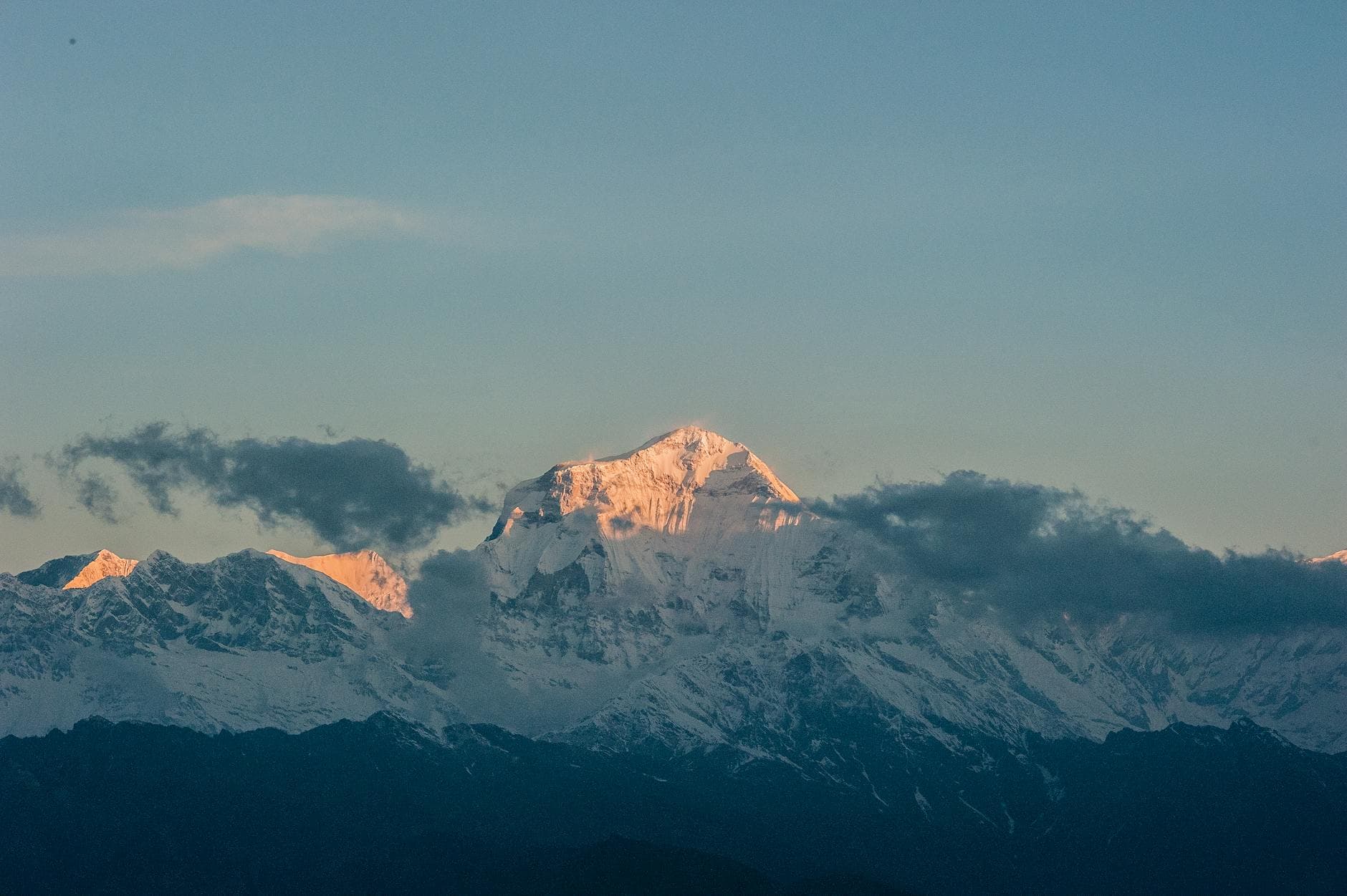
Ghorepani Poon Hill Trek
The most accessible Himalayan sunrise viewpoint — rhododendrons, Gurung villages, and Annapurna in gold.
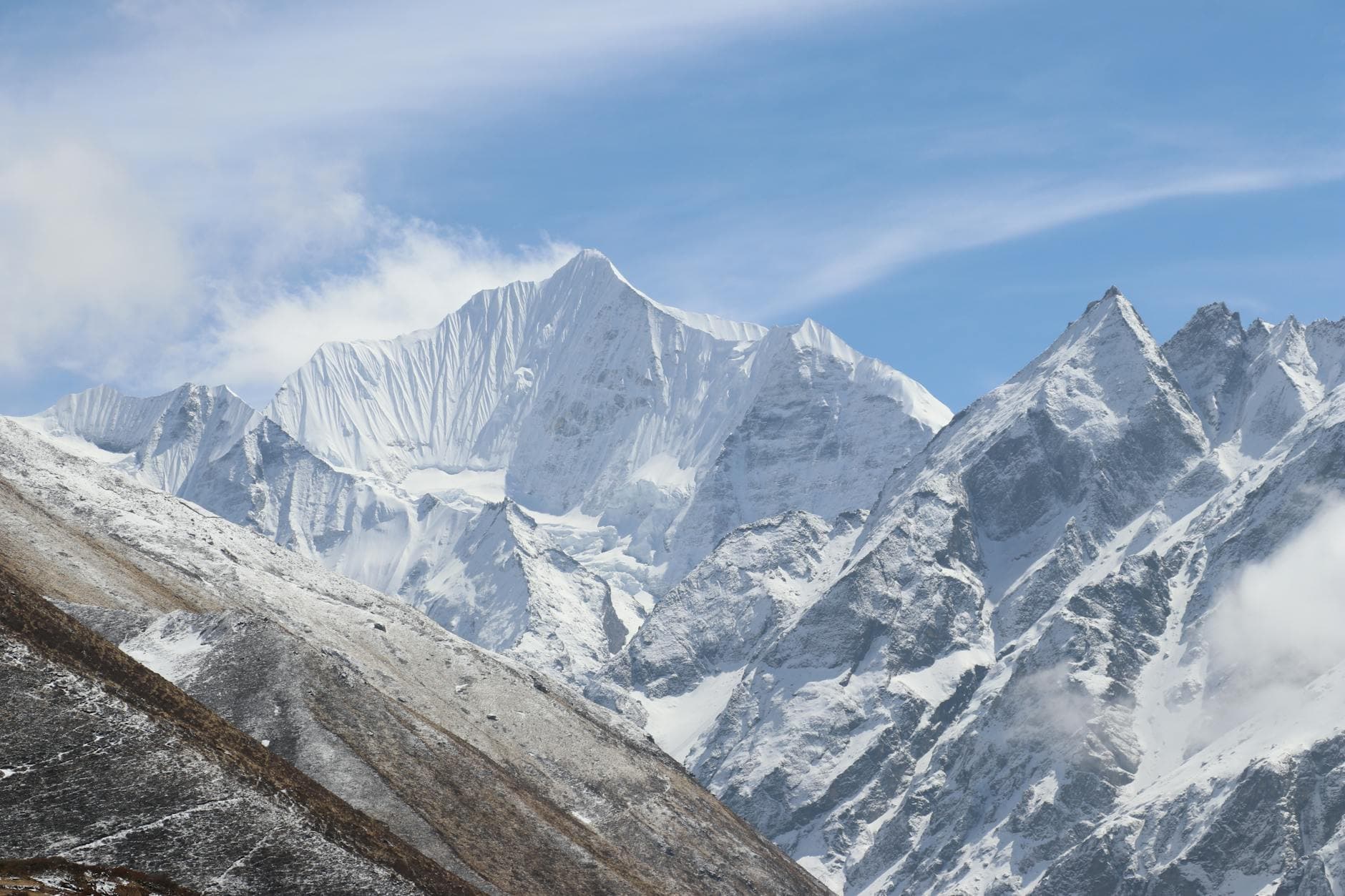
Langtang Valley Trek
Close to Kathmandu, far from the crowds — the valley of glaciers and ancient Tamang culture.
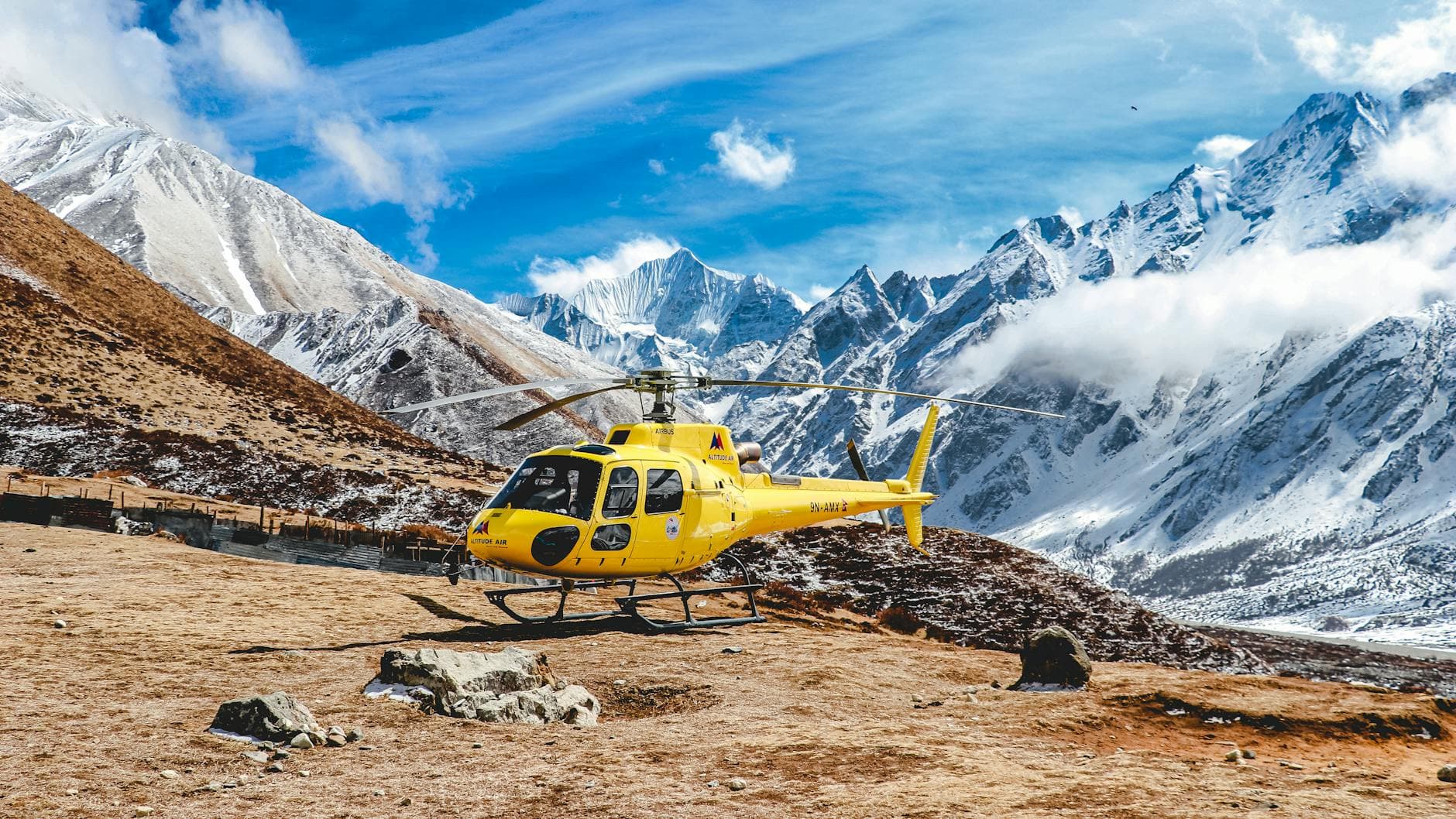
Everest Helicopter Tour
Land on Kala Patthar and fly over Gokyo Lakes — Everest up close without the trail.
Ready?
Ready to plan your trip?
Every tour is private and fully customisable. Drop us a message and we'll build the perfect itinerary for your group.